Every tool rental comes with a manual — read it. This sounds obvious, but many DIY injuries happen because someone assumed a rented nail gun or circular saw worked the same as a model they'd used before. Rented tools vary by brand, age, and condition, so take five minutes to understand the specific model you've got. Ask the rental staff to walk you through it if needed. That brief conversation could prevent a trip to A&E.
Inspect before you use
Before loading a nail gun or switching on any power tool, give it a thorough once-over. Check for damaged cords, worn guards, loose parts, or signs of previous misuse. If something looks off, return it immediately — you're not obligated to use faulty equipment, and rental companies would rather know about damage than have you work around it. A quick inspection takes two minutes and could save you from a serious accident.
Dress for the job, not the weather
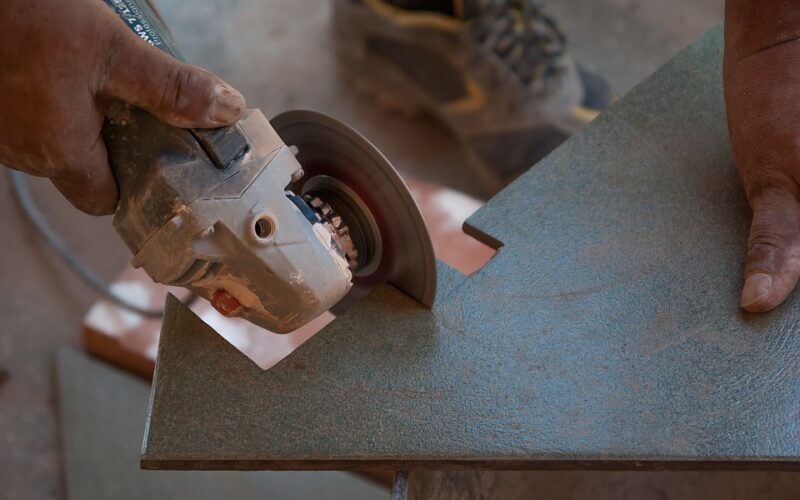
Personal protective equipment (PPE) isn't optional when you're working with power tools. Safety glasses protect against flying debris, which is especially relevant when using nail guns, angle grinders, or saws. Ear defenders are worth wearing for prolonged use of loud equipment. Steel-capped boots protect your feet if something drops, and gloves help with grip — though avoid wearing them around rotating machinery, where loose fabric can get caught. Dress as though something will go wrong, and you're far less likely to get hurt if it does.
Nail gun safety deserves special attention
Nail guns are among the most commonly rented tools and also among the most dangerous when used carelessly. Always keep your finger off the trigger until the tool is positioned exactly where you want to fire. Never point a nail gun at another person, even as a joke. Watch out for double fires, which can happen with contact-trip triggers — the nail gun fires again if you reposition it with the trigger held down. Sequential-trip triggers are safer for most DIY tasks, so ask the rental company which type you're getting and whether you can swap if needed.
Secure your workspace and your materials
A cluttered workspace is a hazard. Before you begin, clear the area of anything you could trip over, and make sure your workpiece is firmly secured. Using clamps to hold timber in place while you cut or nail means both hands stay safely away from the action. Good lighting matters too — working in a dim garage or poorly lit loft increases the chances of misalignment or misjudgement. Set up properly before switching anything on.
Know when to stop
Fatigue causes accidents. If you've been working for several hours and your concentration starts slipping, that's the time to down tools — not push through. This is especially true with high-powered equipment like nail guns, routers, or rotary hammers, where a momentary lapse in focus can result in a serious injury. Taking a break isn't a sign of weakness; it's part of working safely. Most DIY mishaps don't happen at the start of a project. They happen towards the end, when tiredness sets in and shortcuts start to seem tempting.
Return equipment in good condition
At the end of your project, clean the tools before returning them, remove any nails left in the magazine, and report any issues you noticed during use. This isn't just good etiquette — it ensures the next person using the tool is starting from a safe baseline. Rental companies rely on customers to flag wear and damage, so don't stay quiet about anything you noticed during your hire. Responsible use of rented tools keeps everyone safer, and it keeps rental costs down for everyone in the long run.